How to start a franchise business in the UK: a step-by-step guide
You know you want to start a business, and you’ve realised you will likely be able to get started more quickly and with lower levels of risk if you follow a tried and tested format through franchising. Now, all you need to figure out is how to start a business franchise in the UK and get things off the ground.
It sounds simple, but it is a lot to tackle independently, particularly if you don’t have previous business experience. Luckily, we’ve broken the process down into simple steps that will help you develop your personal roadmap to franchise ownership.
Read on to get your 7-step guide, which outlines the steps to take when starting a franchise business in the UK. It includes key things you need to consider, plus golden nuggets and fresh advice from those who have successfully joined a franchise and flourished.
From defining your franchising first thoughts to growing your franchising business, here’s what you need to know.
Do you need a bit of help understanding franchising terminology? Our A-Z of franchising terms will fill you in on the fundamentals.
7 steps to opening a franchise business (with tips)
You can follow this simple step-by-step guide to help you ensure you’ve done your due diligence before investing in and launching your franchise.
The steps in this guide will usually occur in this order, though timelines and schedules will naturally vary depending on the type of franchise.
We’ve honed these steps with the help of time-served experts who’ve worked across multiple franchises as well as our community of franchisees, but if you think we’ve missed a spot let us know.

Find your ‘why’ and define your goals
You might have franchise ownership in your sights because you know you want to set up a business, but before you get started, you need to really dig into your ‘why’. This will give you parameters to guide your search.
Ask yourself questions like:
- What is it that is drawing you to being your own boss?
- Do you have specific personal goals around the lifestyle you want to create?
- How much money do you have to invest?
- Do you need any business you make to generate a minimum turnover to support your family finances?
- What are your financial goals
Next, take some time to think about the skills and experiences you can bring to your franchise business, particularly any transferable skills or things you enjoy doing that could help you decide which is the right franchise for you.
Jotting all these things down may take time, and you may need to revisit some questions after doing further research or chatting with friends and family or other business owners. For your efforts you’ll get a blueprint for your ideal franchise business, which you can use to help narrow your search.
You might not find a franchise that ticks every box. But the defined parameters will inform your search. Knowing your why and your goals will also help you ask the right questions, so you find the information you need.
Consider where and how to find franchise opportunities
You’ve likely started thinking about what kind of business you want to run during step one. Will it be somewhere with a physical presence like a store or office, or could you work remotely? Knowing the location you plan to operate in will help you to work out the viability of franchises on your shortlist by allowing you to check out any competition in the area.
You’ll also want to consider where you’ll look for potential franchise opportunities.
You’ll find many franchise directories online, but working with a franchise consultant, the British Franchise Association or multiple franchise operator could help guide you through the market. There are also dedicated events where you can meet franchise owners and learn about the sector. For example, we exhibit at the International Franchise Show(London’s Excel) each year to talk to potential franchisees about our franchise family.

Research and select opportunities
You’ve got some solid ideas of what you’re looking for and where to look; now it’s time to deep dive into your research of franchises for sale and franchise resales to find the right match for you. If you’re working with a broker or consultant, you might get support through this phase. The consultant will receive a payment from the franchise you are matched with if they make an introduction and you go on to join the franchise.
However, you don’t need a broker or consultant to find your match. Along with searching online, you might enquire about franchises you’re interested in.
Your research might involve:
- attending information events
- speaking to existing franchisees
- reviewing marketing materials
- researching the financial backgrounds and success of franchises and their competitors.
Your research will be guided by your own goals and non-negotiables, which is why the process can take months or more for some franchisees looking for something very specific.
Patryk Wylecial, ComputerXplorers franchisee in East Dorset, shared his experience, saying: “I spent loads of time looking at things, and it took me a long time. I couldn’t find anything I liked. So, then I kept thinking and scratching my head and asking myself ‘what do I really like?’ I’d probably say I looked for about six months, but the initial idea might have been like even a year before.”

Funding and finance
Unless you’ve got a sizable savings pot to draw from or an asset to sell, you’ll need to plan the logistics of funding your franchise investment very carefully. Some franchises have lower investment entry points than others. But it’s important to consider all the financials, including any annual royalty payments or ongoing costs such as marketing and staffing costs.
You’ll need to keep funding these until you’re turning a profit, so your cash reserves, whether from a loan or personal savings, must cover this time. In terms of funding, you might choose a franchise loan.
Franchises in specific sectors can sometimes be eligible to apply for grant funding, too. In these circumstances, the franchise owner should be able to guide you in what’s involved in the application process.
Emily Simcox who runs the Bolton and Wigan ComputerXplorers franchise with her husband, Richard, said, “It’s been a speedy change of direction for us. Within three months of enquiring, we were up and running. Then within another eight months we were VAT-registered.”
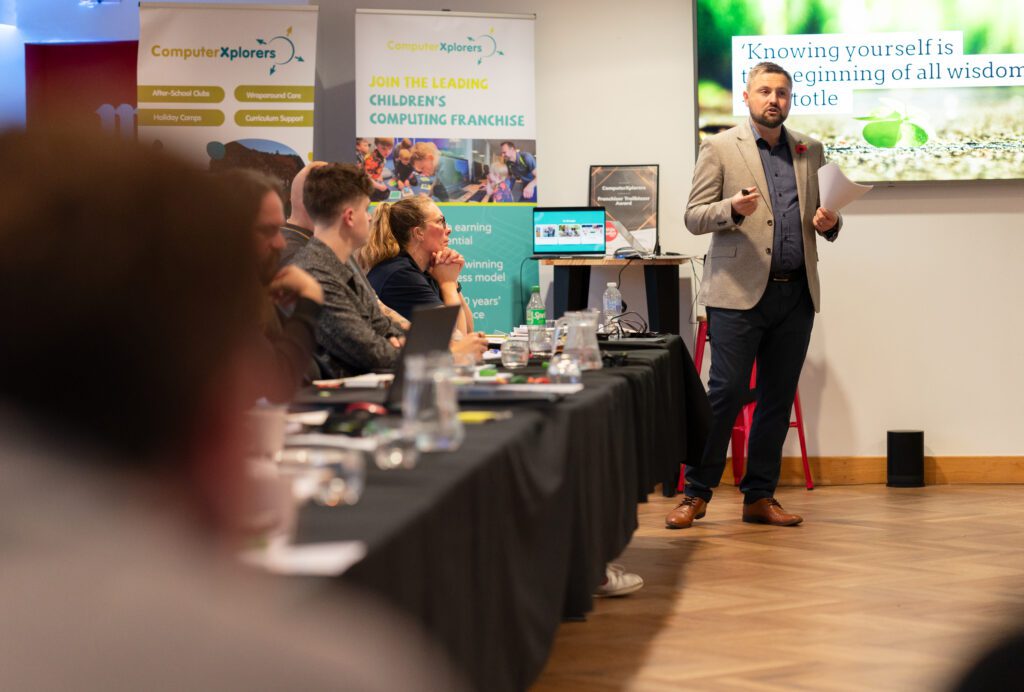
Training and marketing
Whether you’re opening a takeaway franchise or taking on a toddler play class in your area, you’re likely to need some level of training before you launch. You may have skills that carry over into the area you will be working in. For example, previous experience of working with customers through hospitality sector experience. Or you could be new to the field.
Your training is likely to include a deeper level introduction to the brand and its community along with training on the day-to-day thing or product you’ll be delivering. Depending on your franchising package, you may also receive training on operational aspects such as marketing and sales strategies for your services or product.
Agreement and legal requirements
Usually, a franchise owner will have a set package or package(s) outlining what your franchise fee buys regarding the brand, training and any ongoing support. From time to time, there is some flexibility in negotiations for the scope of the franchise agreement.
When you are ready to commit to a franchise, you’ll sign a franchise agreement, which includes these details, the legal obligations of both parties and your costs. As this is a legally binding contract, you may want a solicitor to check it for you. It’s essential you know what you are buying with the franchise model and what you’re agreeing to.
Setup and launch
Launching a new franchise is a process that requires matching all your planning with the energy needed for launch. After training, you still have some remaining setup steps, such as applying for licenses or ensuring you have insurance. You may also need to recruit a team depending on your business model. Your launch plan should be part of your broader business plan,. it will help guide those initial first months to keep you on track against your goals.

Monitor sales and growth against your business plan
Once your franchise is up and running you must monitor your growth and sales against your business plan. Over time, you might want to move away from delivery and focus on growing a team or taking on new franchises.
If challenges arise, leaning into the existing community of franchisees who have been there and done that. You might also have the opportunity for regular check ins with the franchise owner, at least for a limited period after launch.

Still got questions?
Get in contact with us